After an accident or years of wear, most drivers type the same phrase into their phone. Auto body shops near me. The problem is not finding options. The problem is knowing which shop you can actually trust. Reviews look similar. Prices vary widely. Advice online can be confusing. Understanding how body shops work, how pricing is calculated, and how vehicle maintenance affects repairs helps you make a smarter decision. This guide breaks it down clearly.
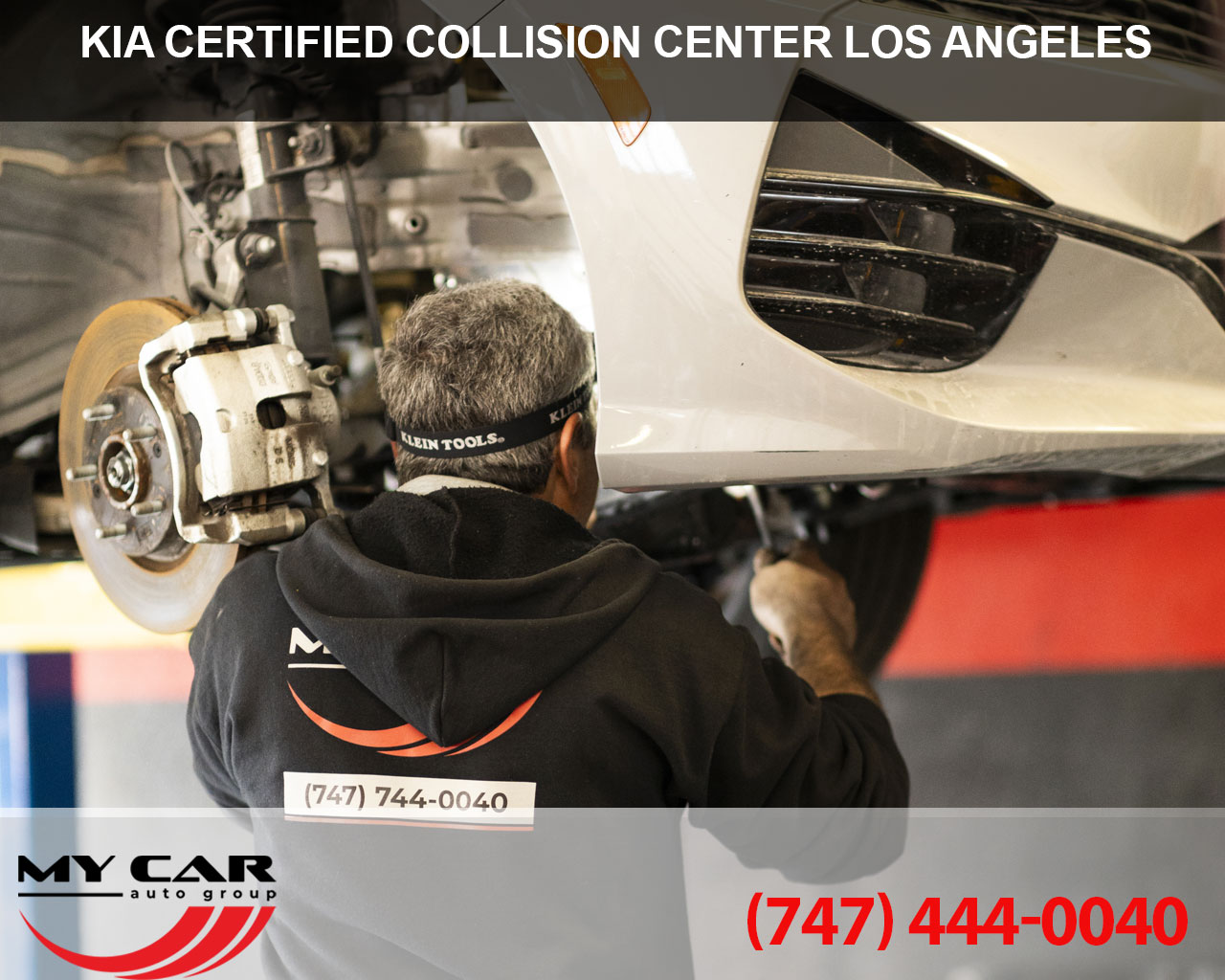
Kia Certified collision center Los Angeles
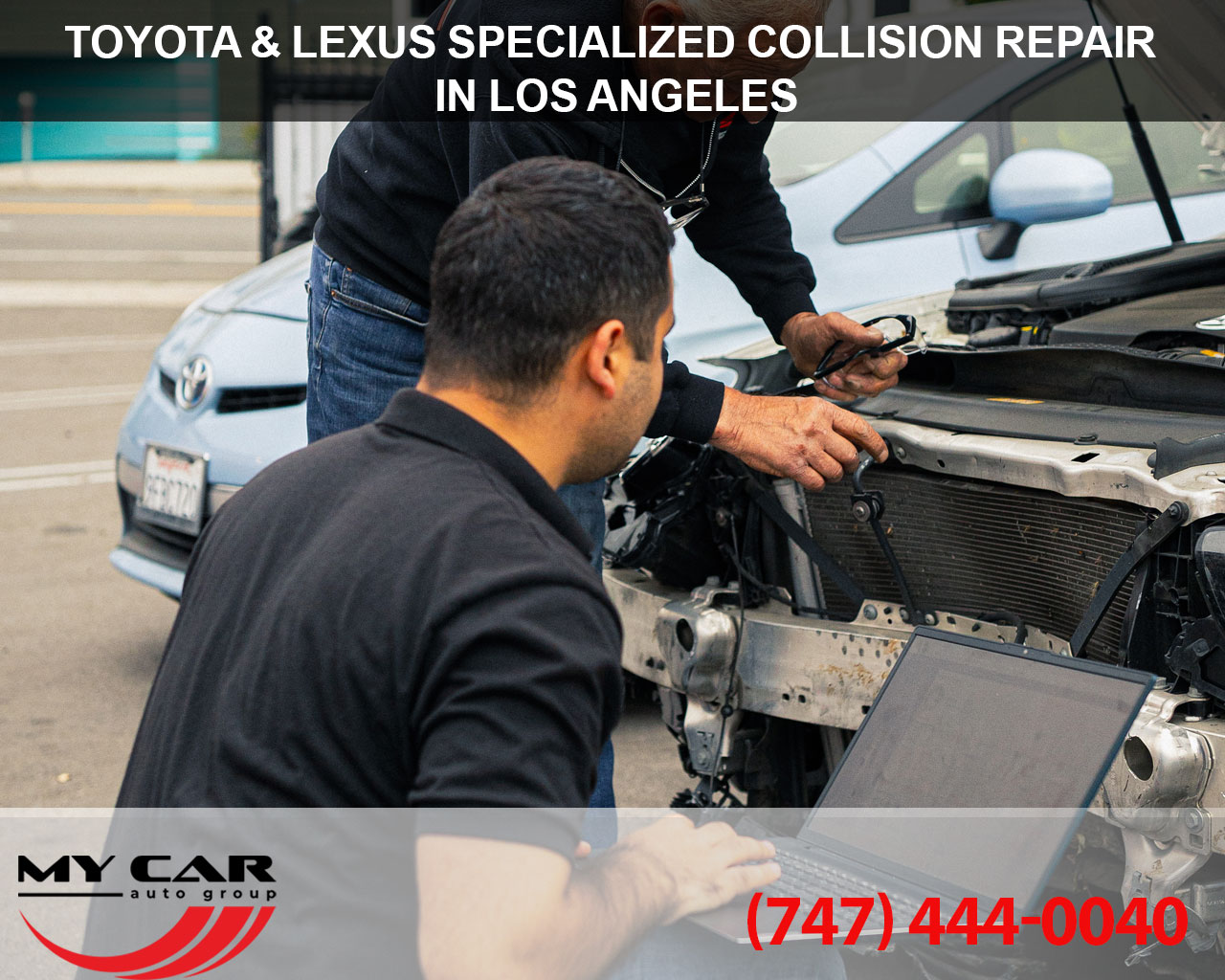
Toyota & Lexus Specialized Collision Repair in Los Angeles
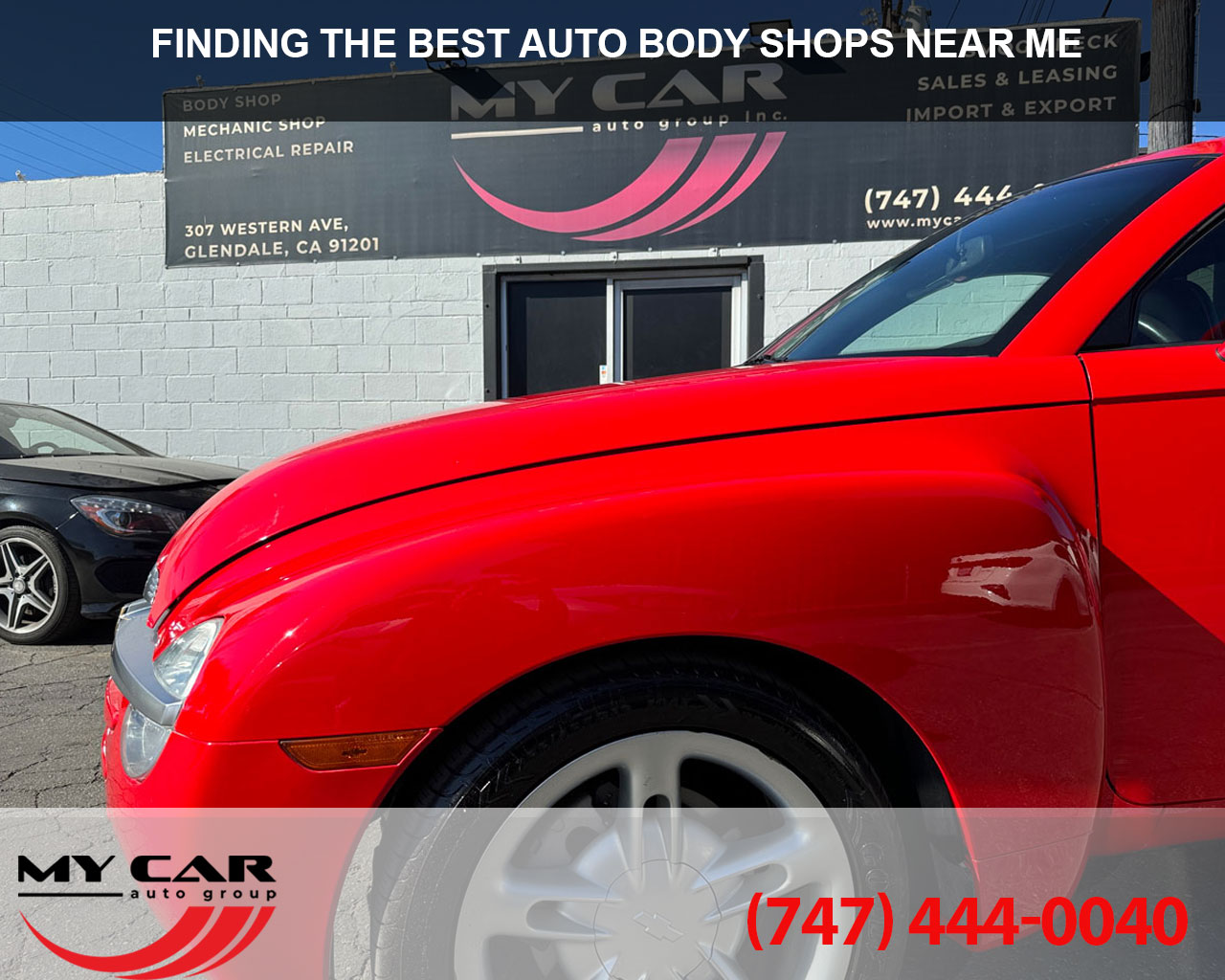
Best Auto Body Shops Near Me

Freeway Insurance Certified Body Shop
How to know if a body shop is good?
A good body shop shows consistency. Look for recent reviews, not just old ones. Check if customers mention communication, timelines, and finished results. A strong shop explains the repair process before starting work. They provide written estimates. They answer questions without rushing. Certification also matters. Shops with I-CAR training or manufacturer certifications follow standardized repair procedures. A clean facility and organized workflow usually reflect professional standards behind the scenes.
Curious About Costs? Let’s Calculate It for Free
Contact My Car Collision Center for a FREE Quote! Call (747)444-0040 or click the button below!
How to choose the best auto body shop?
Start with transparency. The best shops explain what needs to be repaired and why. They do not pressure you to replace parts unnecessarily. Ask if they work with your insurance. Experienced shops understand claim documentation and approval timelines. Location also matters. A shop close to home makes follow-ups easier. Finally, trust your instincts. If communication feels unclear during the estimate stage, it rarely improves later.
What is the average cost for auto body repair?
Auto body repair costs vary based on damage, labor rates, and vehicle type. Industry data shows minor cosmetic repairs often range from a few hundred dollars. Moderate collision repairs usually fall between $1,500 and $4,000. Severe damage involving structural repairs can exceed $7,000. Labor rates in California are higher than the national average, which affects pricing. Newer vehicles with sensors and cameras also increase repair cost because calibration is required.
What is the 30 60 90 rule for car maintenance?
The 30 60 90 rule refers to basic maintenance intervals. At 30,000 miles, vehicles usually need brake inspections, fluid checks, and filter replacements. At 60,000 miles, services often include transmission fluid inspection, brake fluid service, and belt checks. At 90,000 miles, more extensive work may be needed. Following these intervals helps prevent breakdowns and reduces long-term repair costs. Skipping maintenance often leads to more expensive body and mechanical repairs later.
USAA Approved Repair Shop in Glendale

Top Rated Collision Repair in Thousand Oaks

Allstate Insurance Body Shop & Collision Repair Center
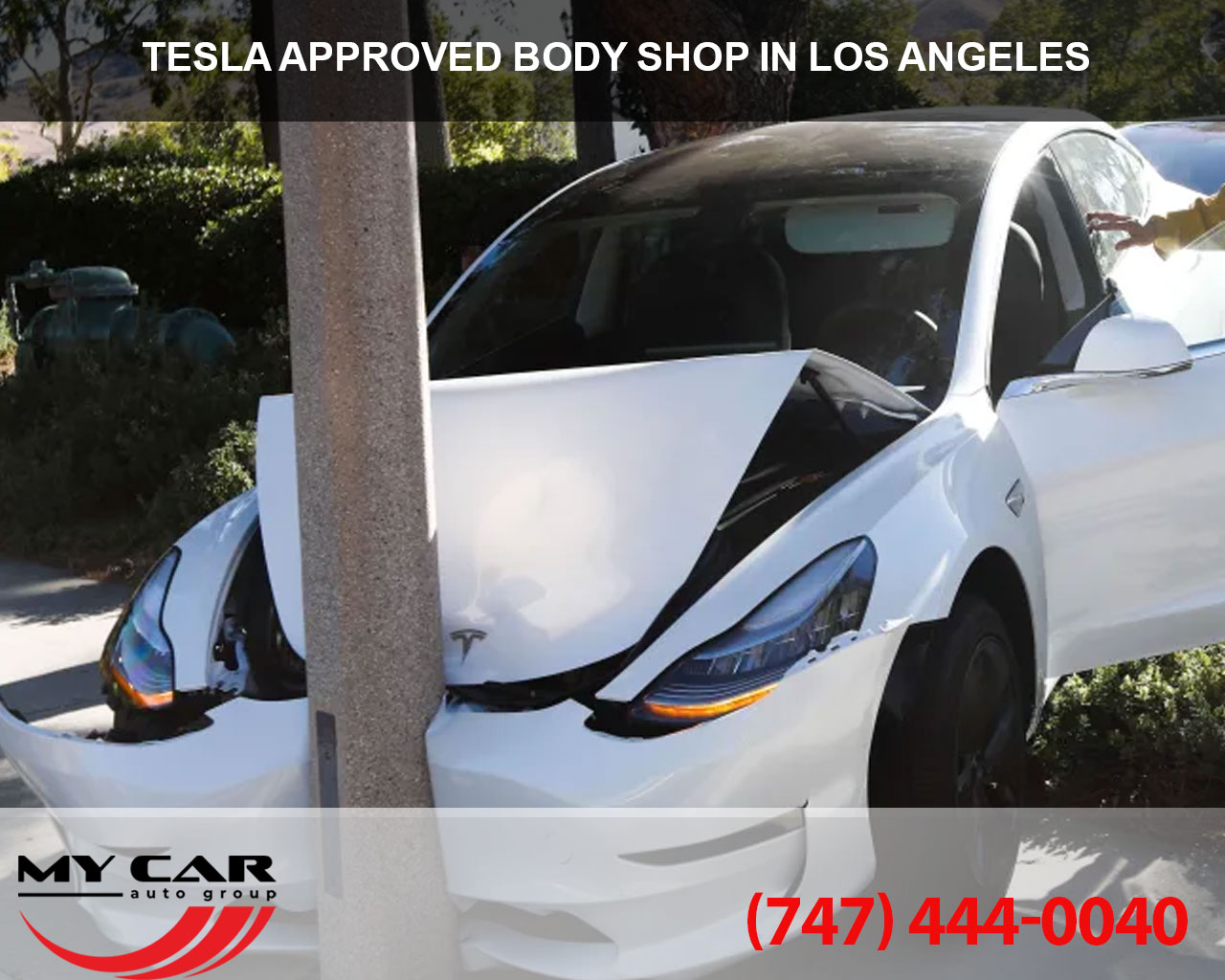
Tesla Approved Body Shop in Los Angeles
Do you really need to change brake fluid every 30,000 miles?
Brake fluid absorbs moisture over time. This reduces braking performance and increases corrosion in the braking system. Many manufacturers recommend brake fluid service every 30,000 to 60,000 miles depending on driving conditions. Vehicles driven in stop-and-go traffic or hot climates need it sooner. Ignoring brake fluid service can affect stopping distance and cause internal brake component damage.
Get Back on the Road with Confidence!
Take the first step toward your FREE Auto Collision Quote – it’s fast, easy, and only a click away.
Call (747) 444-0040 or click below to get started today!
What is the 80 20 rule for cars?
The 80 20 rule means most vehicle problems come from a small number of causes. Roughly 80 percent of issues relate to basic maintenance, driving habits, or delayed repairs. Only 20 percent come from unexpected failures. Simple actions like regular inspections, fluid changes, and prompt repairs prevent most major problems. Body damage often worsens when small dents or cracks are ignored.
What happens if I never change my brake fluid?
Old brake fluid absorbs moisture. Moisture lowers boiling point and reduces braking efficiency. Over time, corrosion forms inside brake lines and components. This can lead to spongy brake pedals, uneven braking, and expensive repairs. In severe cases, braking performance drops during emergency stops. Ignoring brake fluid service increases both safety risk and repair cost.
Can brake fluid last 100,000 miles?
In most cases, no. While some drivers push brake fluid beyond recommended intervals, performance and safety decline long before 100,000 miles. Laboratory testing shows moisture levels increase significantly by 60,000 miles. Even if the brakes feel normal, internal damage may already be occurring. Preventive service costs far less than replacing brake components damaged by corrosion.




At what mileage do cars start having problems?
Most vehicles begin showing noticeable issues between 75,000 and 100,000 miles. This is when wear on suspension, brakes, cooling systems, and drivetrain components increases. Body issues also appear more often due to years of minor impacts, sun exposure, and road debris. Cars maintained consistently tend to age better. Vehicles that skip service often require more frequent repairs during this stage.
Collision Damage? We’ve Got You Covered.
Get your FREE repair quote today – just one click or call away!
Finding the best auto body shop near you is not just about fixing damage. It is about protecting your vehicle long term. A good shop understands how maintenance, driving habits, and repair quality work together. Clear communication, proper training, and realistic pricing separate reliable shops from average ones. When drivers understand these factors, choosing the right repair center becomes much easier.